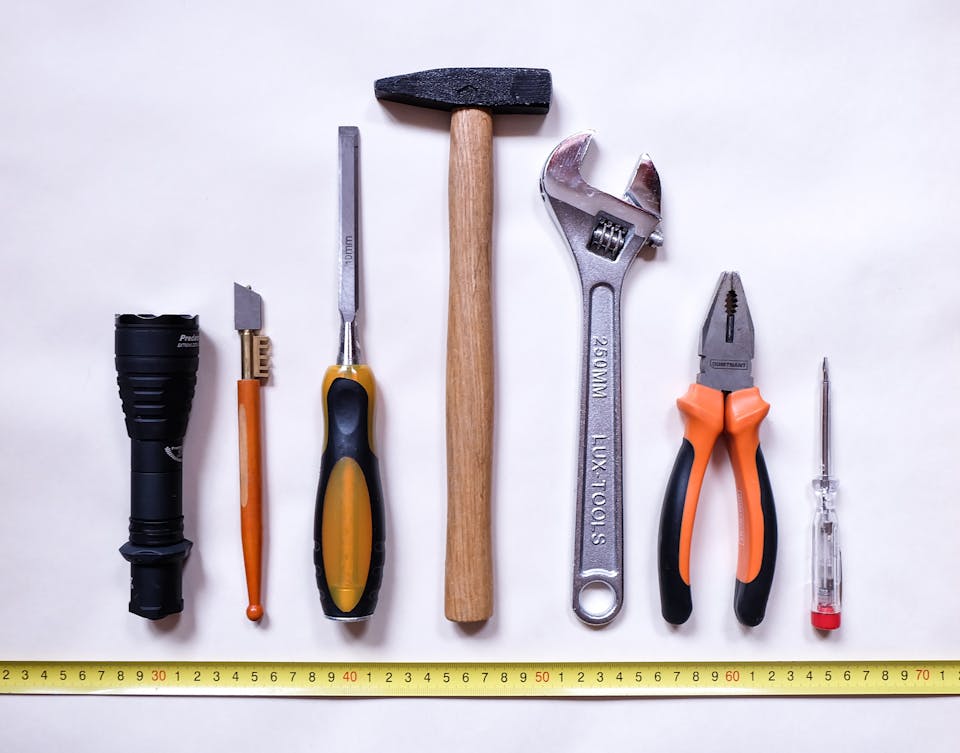
Many clients — churches, business owners, nonprofits — consider handling parts of a construction project themselves. It is a natural impulse. Budgets are tight, congregations want to feel ownership of their space, and some tasks genuinely do not require a licensed professional. The question is not whether DIY has a place in construction. It does. The question is where it adds value and where it introduces risk that ends up costing more than it saves.
Where DIY Can Work
There are areas in most construction projects where hands-on involvement from the owner or congregation can save real money without creating problems. The common thread is that these tasks are low-risk, do not require specialized skills or licensing, and can be completed on a flexible timeline without disrupting the construction schedule.
Demolition is one of the most common examples. Removing old carpet, pulling out pews, clearing a space of furniture and debris — these are tasks that a group of volunteers can accomplish in a weekend. For churches in particular, this kind of sweat equity at the front end of a project can generate meaningful savings and create a sense of shared investment in the finished space.
Painting is another area where DIY can work — with some caveats. Painting a small office, a classroom, or a storage area is straightforward. Painting a sanctuary with 30-foot ceilings, intricate trim, or surfaces that require specific preparation is a different matter. The key is matching the complexity of the task to the skill level available. A room with four flat walls and a standard ceiling is a reasonable DIY project. A space that requires scaffolding, specialty coatings, or precise cut-in work around architectural details is better left to professionals.
Furniture installation, final cleaning, and certain finish work — hanging artwork, installing shelving in low-stakes areas, setting up furnishings — are other tasks that can be handled in-house. These are typically the last items on the project timeline, and handling them internally frees up contractor resources for higher-priority work.
Where DIY Creates Risk
The areas where DIY most commonly backfires are the ones that involve licensed trades, building codes, and interconnected systems. Electrical work, plumbing, HVAC, structural modifications, and framing are all areas where mistakes are expensive, sometimes dangerous, and often require professional correction — which costs more than having it done right the first time.
Electrical work is a particularly common pitfall. Wiring that is not installed to code can create fire hazards, fail inspection, and need to be ripped out and redone. Plumbing that leaks behind a finished wall can cause water damage that far exceeds the cost of the original installation. Structural modifications — even ones that seem minor, like widening a doorway or removing a section of wall — can compromise the building's integrity if load paths are not properly understood and maintained.
Finish carpentry is another area that looks simpler than it is. Installing trim, baseboards, and millwork to a professional standard requires precision tools, experience with materials, and an eye for detail that is difficult to replicate without training. Poorly executed finish work is visible every day, and it affects the overall quality perception of the entire project. A beautiful renovation with sloppy trim work undermines the investment.
HVAC work requires not only technical skill but also understanding of system design, load calculations, and ductwork sizing. An improperly sized or poorly installed system will not heat and cool the space effectively, will consume more energy, and will likely require professional correction — at a cost that exceeds the savings from attempting it in-house.
The Coordination Problem
Even when individual DIY tasks are within the owner's capability, there is a broader issue that is easy to overlook: coordination. Construction projects involve multiple trades working in a specific sequence. Framing happens before electrical rough-in. Electrical rough-in happens before insulation. Insulation happens before drywall. Each step depends on the previous one being completed correctly and on time.
When DIY efforts are inserted into this sequence without proper coordination, they can disrupt the entire schedule. A volunteer painting crew that is not finished when the flooring installer arrives pushes the flooring back by days. A demolition effort that goes deeper than planned — pulling out wiring or plumbing that was supposed to stay — creates unplanned work for the trades that follow. A church group that agreed to remove pews by Tuesday but did not finish until Friday delays every subcontractor who was scheduled to start on Wednesday.
The solution is not to eliminate DIY contributions. It is to coordinate them within the overall project schedule, with clear timelines, defined scope, and communication with the contractor. When the contractor knows what the owner is handling and when it will be complete, the schedule can be built around it. When DIY happens ad hoc, outside the schedule, it almost always creates more problems than it solves.
Permitting and Liability
There is also a legal dimension to consider. In many jurisdictions, certain types of work — electrical, plumbing, mechanical, structural — must be performed by or under the supervision of a licensed contractor, regardless of who is paying for it. Even if the work is done by volunteers, a licensed contractor may still be required to pull the permit, supervise the installation, and be responsible for the final result.
Insurance is another factor. If a volunteer is injured on a construction site, the liability implications can be significant. Most general contractors carry workers' compensation and general liability insurance that covers their employees and subcontractors. Volunteers typically fall outside that coverage. Churches and business owners who plan to use volunteer labor should verify their own insurance coverage and discuss liability with their contractor before work begins.
DIY as Part of a Plan, Not a Substitute for One
The most successful approach is to treat DIY contributions as a defined, coordinated element within a professionally managed project — not as a substitute for professional construction management. Identify the specific tasks that are appropriate for in-house effort. Define the scope clearly. Agree on a timeline that fits within the overall schedule. And leave the work that requires licensing, specialized skill, or precise coordination to the people who do it every day.
DIY can be a valuable tool in a construction project. It can save money, build community, and give the people who will use the space a tangible connection to the process of building it. But it works best when it is part of a coordinated plan — bounded, scheduled, and integrated into the larger project. When it replaces professional management rather than complementing it, the savings rarely materialize — and the complications almost always do.
"DIY can be a helpful tool — but it works best when it's part of a coordinated plan, not a substitute for one."